
Hudson Pharmacy & Surgical
Updated 11:15 AM CST, Fri February 27, 2026
Published Under: Assisted Living
Making a bathroom accessible for older relatives protects their safety and preserves their independence. Slippery floors, high tubs, and low toilets create daily risks for anyone with back, hip, or knee issues. These challenges increase after surgery, including shoulder procedures, back surgeries, or hernia repairs. When you address these hazards early, you create a safer and more comfortable home environment for recovery and long-term living.
Hudson Pharmacy and Surgical has helped families across Ossining, Westchester County, the Bronx, and Rockland County since 1943. We support private homes and assisted living communities with equipment, delivery, setup, and training. Our team focuses on practical solutions that improve safety without sacrificing dignity. This is our best advice for making a bathroom accessible for older relatives.
Start With a Bathroom Safety Assessment
Begin by evaluating how your relative currently uses the bathroom. Watch for difficulty stepping into the tub, lowering onto the toilet, or standing at the sink. Notice whether they rely on walls or towel bars for support, since those fixtures cannot hold body weight. A careful assessment helps you prioritize upgrades that reduce fall risk immediately.
Measure the width of doorways and the clearance around toilets and tubs. Check the height of the toilet and the stability of existing fixtures. Identify areas where water pools on the floor after showers. Clear observations allow you to select equipment that fits the space and supports safe movement.
Install Grab Bars in Strategic Locations
Grab bars provide essential support for balance and transfers. Place them next to the toilet and inside the shower or bathtub. Install them into wall studs to make sure they support full body weight. Avoid suction-cup bars because they can shift under pressure.
Choose grab bars with textured surfaces for a secure grip. Position them at a height that allows natural arm movement. Consider angled bars in showers to support standing and seated positions. Proper placement reduces strain on shoulders, hips, and knees during daily routines.
Upgrade the Toilet Area for Comfort and Stability
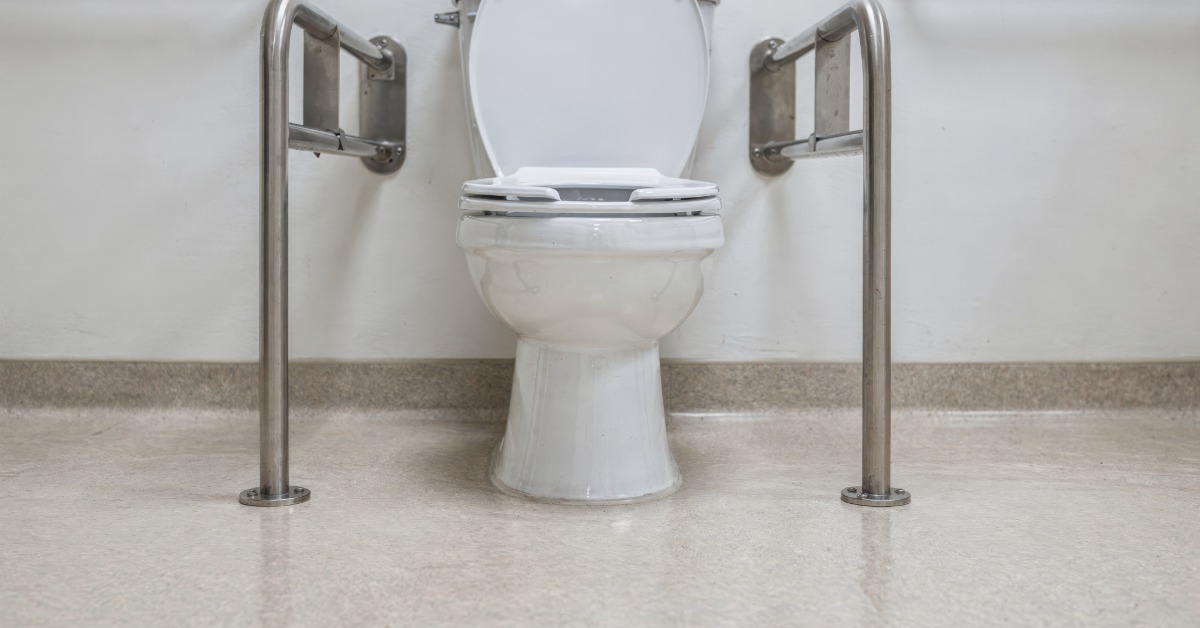
Standard toilets often sit too low for older adults with joint pain. A raised toilet seat reduces the distance required to sit and stand. Some models include armrests that provide added leverage and balance. This simple change can significantly reduce strain on the lower back and knees.
For individuals recovering from surgery, stability becomes even more important. Post-surgical weakness can make basic movements difficult and unsafe. A sturdy frame around the toilet supports safe transfers without relying on nearby walls. Families can choose rental or purchase options based on recovery timelines and long-term needs.
Improve Shower and Tub Accessibility
Traditional tubs create one of the highest fall risks in the home. A tub transfer bench allows a person to sit outside the tub and slide across safely. This design works well for individuals with hip replacements, knee surgeries, or limited shoulder mobility. It eliminates the need to step over a high tub wall.
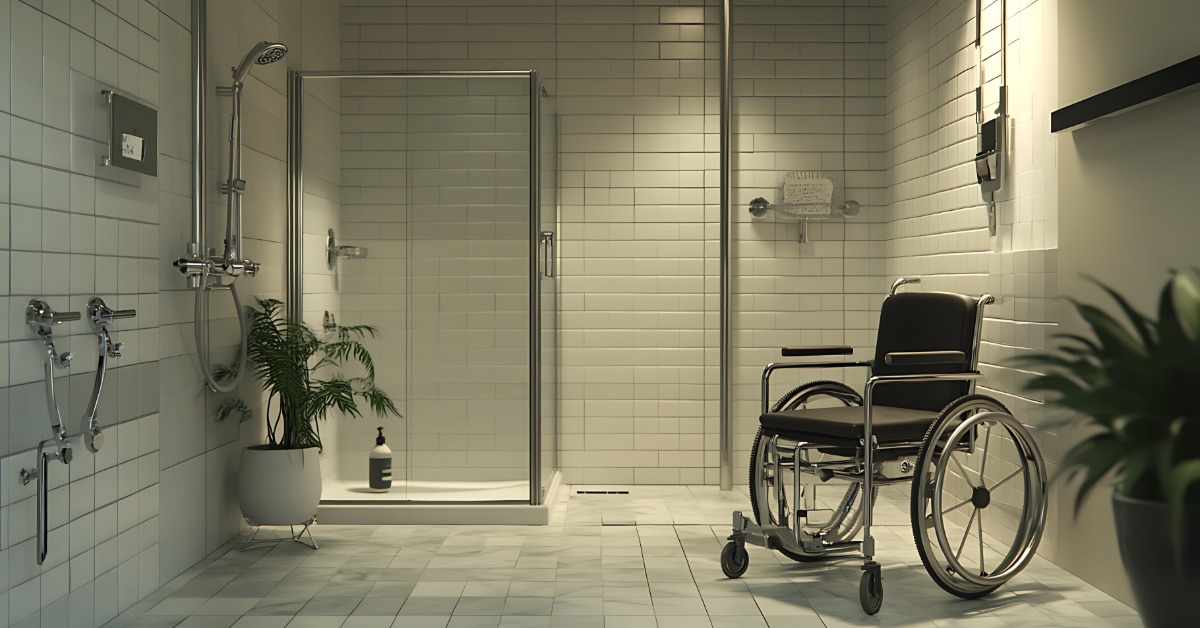
Handheld showerheads also improve comfort and independence. They allow seated bathing while maintaining control of water direction. Nonslip mats inside and outside the tub add traction under wet conditions. These changes create a safer bathing routine without requiring a full renovation project.
Consider Walk-In Tubs or Barrier-Free Showers
Some families choose larger renovations for long-term accessibility. Walk-in tubs provide a watertight door and built-in seating. Barrier-free showers remove the threshold entirely, which helps wheelchair users and those with walkers. These options work well in private homes and assisted living environments.
Before committing to construction, evaluate the individual’s mobility level and long-term prognosis. Short-term recovery may only require temporary equipment. Long-term conditions may justify permanent structural changes. A professional consultation ensures you match the investment to actual needs.
Address Flooring and Lighting for Fall Prevention
Flooring and lighting directly affect safety in the bathroom. Replace slick tiles with slip-resistant flooring when possible. Use absorbent bath mats with nonskid backing to reduce water hazards. Keep pathways clear of rugs and clutter.
Bright, even lighting reduces shadows that hide obstacles. Install nightlights for safe navigation during overnight trips. Motion-activated lights provide convenience and prevent fumbling for switches. Strong visibility supports confident movement and reduces hesitation.
Support Post-Surgical Recovery at Home
Post-surgical recovery requires special attention in the bathroom. Limited range of motion after shoulder surgery can make reaching difficult. Back and abdominal procedures often restrict bending and twisting. A carefully adapted bathroom supports healing and prevents setbacks.
Many families prefer short-term rentals during recovery periods. Rental equipment provides flexibility without a large upfront investment. Hudson Pharmacy and Surgical offers options for temporary and long-term use, along with service and repair support. This approach works well for private homes and facilities managing multiple residents.
Solutions for Assisted Living and B2B Needs
Assisted living communities face unique accessibility demands. Administrators must balance safety, efficiency, and budget. Standardized bathroom upgrades can improve resident safety across multiple units. Bulk purchasing allows facilities to equip several rooms consistently.
Hudson Pharmacy and Surgical supports B2B clients with large-quantity orders and dependable service. We understand the needs of care teams who assist residents daily. Reliable equipment reduces staff strain during transfers and bathing assistance. Long-term partnerships secure ongoing maintenance and support.

Professional Guidance Makes the Difference
Bathroom accessibility requires more than buying equipment. Proper measurement, installation, and user training ensure safety and comfort. Hudson Pharmacy and Surgical provides personalized recommendations based on individual mobility needs. Our team delivers and sets up equipment so that families feel confident from the beginning.
We also service and repair equipment to keep it functioning correctly. This ongoing support benefits private households and long-term care facilities. When families invest in quality home medical equipment, they can expect reliable guidance and responsive service. Our experienced professionals prevent costly mistakes and improve outcomes.
Making a bathroom accessible for older relatives protects their well-being and enhances daily life. Small upgrades can reduce fall risks and ease joint strain immediately. Larger modifications can provide long-term comfort and independence. Every improvement supports enhanced living at home or within assisted care settings.
If your loved one faces mobility challenges or plans for upcoming surgery, take action now. Contact Hudson Pharmacy and Surgical to explore rental or purchase options tailored to their needs.
Our team serves Ossining, Westchester County, the Bronx, and Rockland County with professional, family-based care. Let us help you create a safer bathroom that supports recovery, dignity, and independence.
Comments