
Hudson Pharmacy & Surgical
Updated 12:10 PM CDT, Tue March 17, 2026
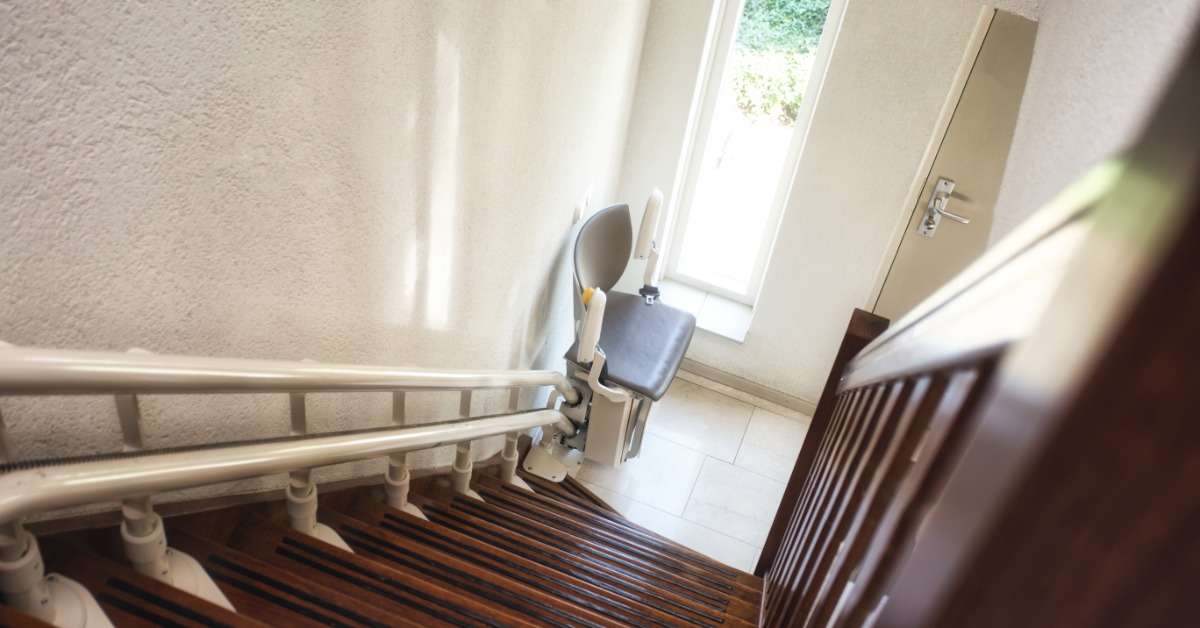
Choosing between a regular and heavy-duty stair lift requires more than comparing price tags. You need to evaluate safety, comfort, weight capacity, and long-term mobility goals. Many homeowners in Ossining and surrounding areas ask us which option will serve them best. As a local provider and installer, Hudson Pharmacy and Surgical helps families make informed decisions based on real-world needs.
Both options improve accessibility and restore independence. However, each model supports different body types, staircase widths, and usage demands. It’s important to understand the differences to avoid costly upgrades later. We created this guide to explain the differences between regular vs. heavy-duty stairlifts to help you navigate the best path forward. By the end, you’ll be ready to schedule your installation with our team.
A Look at Regular Stairlifts
Regular stairlifts work well for most residential staircases. Manufacturers typically design them to support weight capacities between 250 and 350 pounds. These models fit standard-width staircases and operate efficiently in compact spaces. Many homes in Westchester and the Bronx use these systems successfully.
These lifts include a motorized chair that travels along a rail mounted to the staircase. The rail attaches to the stair treads rather than the wall, which protects structural integrity. Most regular models fold up when not in use, allowing other household members to walk freely. This design supports daily convenience without major renovations.
What Defines a Heavy Duty Stairlift?
Heavy duty stairlifts accommodate higher weight capacities and larger body frames. These systems typically support between 400 and 600 pounds. Manufacturers design them with reinforced seats, stronger motors, and wider frames. The engineering ensures stable and reliable operation under increased load.
These lifts also require more staircase width. Most heavy-duty models need at least 36 inches of clear space for proper installation. The seat and rail system occupy more room than standard units. Homes with narrow staircases may require measurement verification before installation.
Comfort plays a major role in heavy-duty models. Wider seats, higher backrests, and reinforced armrests provide added stability. Users often report increased confidence due to the sturdier feel. That added reassurance improves everyday safety and independence.
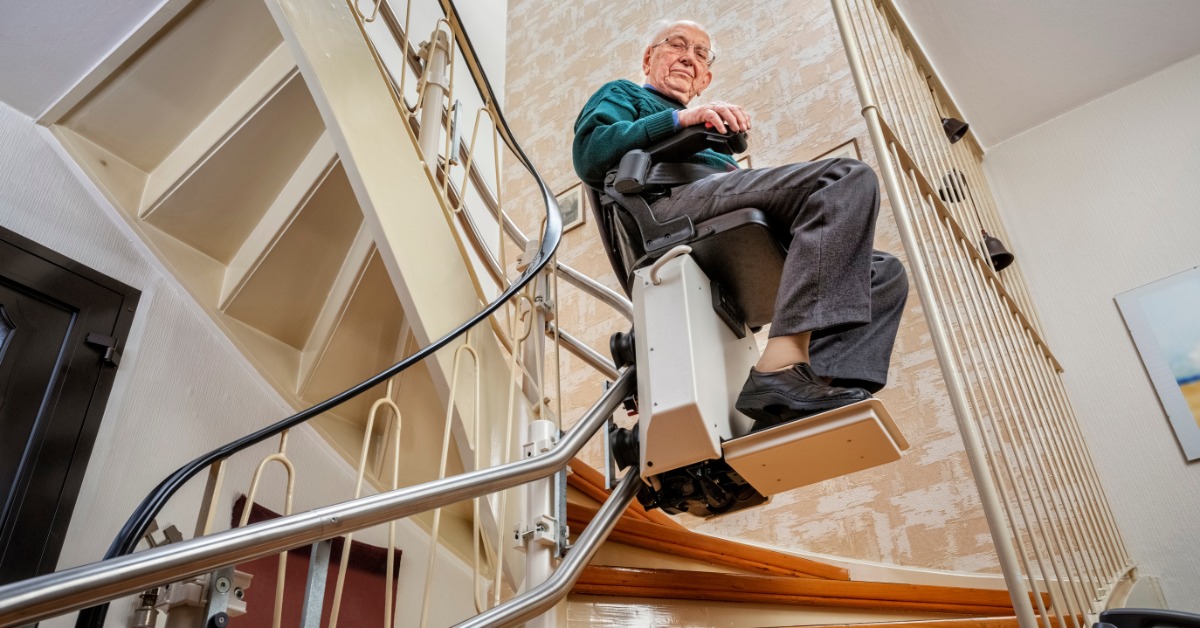
Key Differences in Weight Capacity and Frame Design
Weight capacity represents the most obvious difference between regular and heavy-duty models. Regular lifts handle average weight ranges comfortably. Heavy-duty systems support significantly higher capacities with reinforced structural components. That structural strength protects the user and the motor system.
Frame construction also varies between models. Heavy-duty lifts include wider seats and stronger carriage assemblies. Manufacturers design these units with upgraded gear systems to handle increased torque demands. The mechanical components work together to ensure smooth travel up and down the stairs.
Staircase Width and Installation Requirements
Staircase width often determines whether a heavy-duty model will fit. Standard residential staircases typically measure between 30 and 36 inches wide. Regular lifts fit comfortably within those dimensions. Heavy-duty models need more clearance for safe operation.
Our installation team measures the staircase carefully before recommending a system. We evaluate landing space, door clearances, and turning points. Custom rail solutions may become necessary for curved staircases. Hudson Pharmacy and Surgical installs Handicare systems for straight and custom configurations.
Most installations don’t require major structural modifications. Technicians secure the rail directly to the stair treads. The process protects walls and preserves home aesthetics. Professional installation ensures long-term safety and reliability.
Comfort, Seat Size, and User Experience
Seat width significantly affects comfort and usability. Regular stairlifts include seats designed for average body sizes. Heavy-duty models provide wider and deeper seats for improved stability. Users often appreciate the additional room and support.
Armrests, footrests, and swivel features also differ. Heavy-duty systems typically include reinforced armrests and larger footplates. These features improve balance during entry and exit. A stable swivel seat reduces strain on hips and knees.
Ride smoothness remains a priority across categories. Modern systems operate quietly and include soft start and stop technology. This feature prevents sudden jerks during travel. A smoother ride enhances confidence and daily usability.
Power, Motor Strength, and Performance
Heavy-duty stairlifts require more powerful motors. The increased weight capacity demands stronger drive systems and upgraded transmission components. These motors maintain consistent speed even under maximum load. Reliability remains critical for everyday safety.
Regular stairlifts use efficient motors designed for lighter loads. They operate quietly and consume minimal electricity. Battery backup systems allow continued use during power outages. That feature ensures uninterrupted access to upper floors.
Both models undergo strict safety testing. Manufacturers include seat belts, obstruction sensors, and emergency stop functions. These safety features protect users at every stage of operation. Professional servicing keeps the system performing at peak condition.
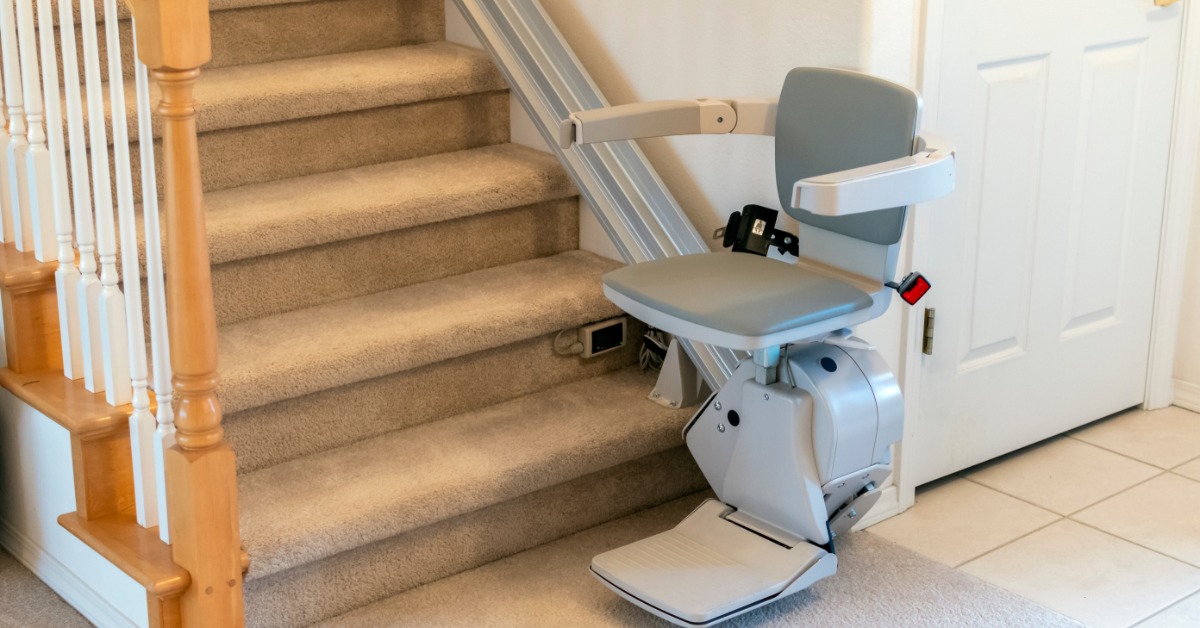
Cost Differences and Long-Term Value
Heavy-duty stairlifts generally cost more than standard models. The reinforced materials and upgraded motor systems increase manufacturing expenses. Installation costs may also rise due to additional structural considerations. However, the investment often provides long-term reliability.
Regular models offer a more budget-friendly solution for many households. They meet the needs of most users without unnecessary upgrades. Families recovering from temporary surgeries often prefer this option. Rental options may also provide flexibility in short-term situations.
When comparing costs, consider durability and future mobility needs. A lower upfront price may not serve your long-term goals. A professional consultation with our team can help you evaluate value beyond initial expense. The correct choice can ultimately protect safety and finances.
Who Should Choose Each Option?
Selecting the right system depends on physical requirements and home layout. We carefully guide customers through this evaluation every day in Ossining and throughout Westchester County. Consider the following factors:
- Body weight and long-term health outlook
- Staircase width and structural space
- Short-term recovery versus permanent mobility need
- Frequency of daily use
- Comfort preferences and seat size requirements
Professional Installation and Ongoing Support in Ossining, NY
Proper installation determines long-term performance. Our experienced technicians install and service straight, curved, and custom systems. We work with trusted manufacturers like Handicare and Harmar for straight models. Every installation includes testing, user training, and safety verification.
We also provide maintenance and repair services throughout Westchester, the Bronx, and Rockland County. Reliable service protects your investment and ensures uninterrupted operation. Families rely on us every day because we respond quickly and prioritize safety. That commitment reflects our over four decades of service in the community. The differences between regular vs. heavy-duty stairlifts are clear, and our team can help you make the right choice.
Comments