
Hudson Pharmacy & Surgical
Updated 12:55 PM CST, Thu December 18, 2025
Published Under: Fall Prevention General
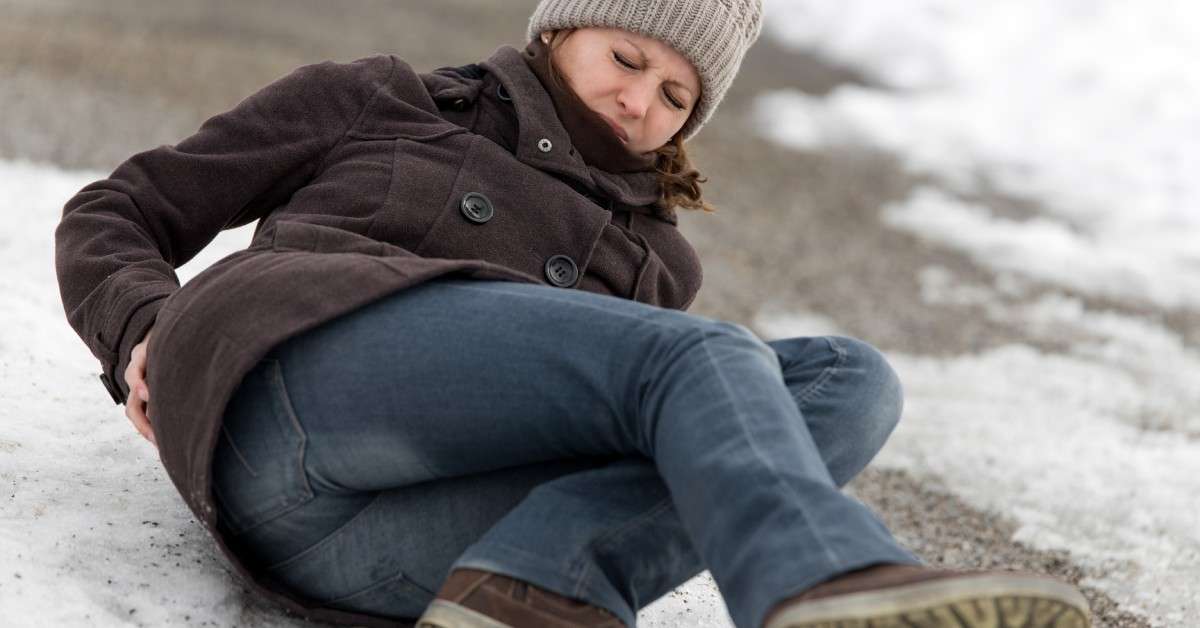
Winter brings beautiful snowfall and festive holidays, but it also creates hazardous conditions that increase the risk of falls. Icy sidewalks, snow-covered steps, and slippery surfaces make mobility challenging for everyone, especially aging adults and individuals with limited mobility. The CDC reports that one in four Americans aged 65 and older falls each year, and these incidents often result in serious injuries, such as hip fractures and head trauma.
The good news? Most winter falls are preventable. By taking proactive steps to protect yourself and your loved ones, you can navigate the season safely. We’re outlining several best practices for preventing falls in the winter to help you maintain safe walkways, from supportive footwear to getting assistive devices.
Clear Snow and Ice Promptly
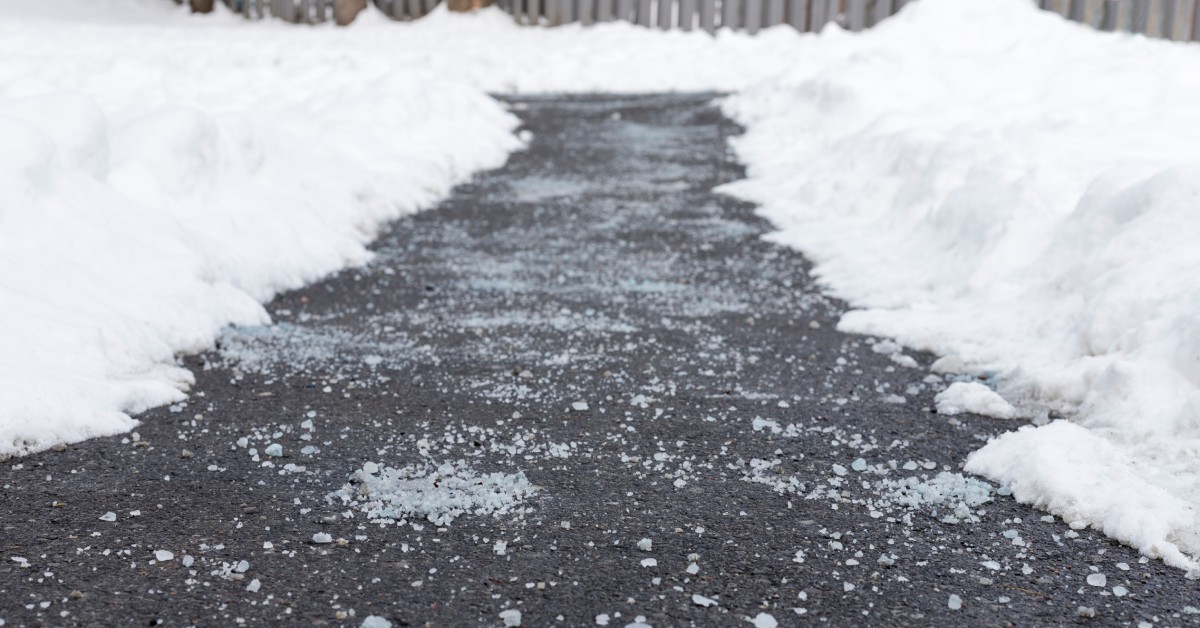
Remove snow and ice from walkways, driveways, and entryways as soon as possible after a storm. Waiting allows snow to become compacted and turn into dangerous ice. Shovel in layers rather than trying to remove deep snow all at once and clear a path wide enough for safe passage.
Apply ice melt or sand to treated areas for added traction. Keep supplies readily available near entrances so that you can address icy spots quickly. If physical limitations make snow removal difficult, arrange for professional snow removal services or ask family members and neighbors for assistance.
Use Proper Ice Melt Products
Choose ice melt products carefully to balance effectiveness with safety. Calcium chloride works in extremely cold temperatures and melts ice quickly, making it ideal for harsh winter climates. Rock salt (sodium chloride) offers an affordable option but becomes less effective below 15 degrees Fahrenheit.
Sand doesn’t melt ice but provides excellent traction on slippery surfaces. For households with pets, consider pet-safe ice melt formulas that won’t irritate paws. Apply ice melt according to package directions—using too much wastes product and can damage concrete surfaces.
Install Adequate Outdoor Lighting
Proper lighting helps you identify hazards before they cause a fall. Install motion-activated lights near entrances, along walkways, and on stairs. These lights illuminate your path automatically when you approach, eliminating the need to fumble for switches with cold hands.
Replace burnt-out bulbs promptly and consider upgrading to LED bulbs, which provide brighter light and last longer. Make sure light fixtures remain clear of snow and ice buildup. For areas without electrical access, battery-powered or solar lights offer practical alternatives.
Wear Appropriate Winter Footwear
Your choice of footwear significantly impacts your stability on winter surfaces. Select boots with deep treads that provide maximum grip on ice and snow. Look for soles made from rubber or similar materials that maintain flexibility in cold temperatures.
Avoid smooth-soled dress shoes and worn-out footwear with minimal tread. Consider attachable ice cleats or traction devices that slip over regular shoes for extra grip. Replace footwear when treads become smooth or worn, as this reduces their effectiveness on slippery surfaces.
Add Handrails and Grab Bars
Install sturdy handrails on both sides of outdoor stairs and steps. Handrails provide critical support when navigating icy conditions and help you maintain balance if you start to slip. Make sure handrails extend beyond the top and bottom steps for maximum safety.
Add grab bars near exterior doors where you might need additional support while opening doors or carrying items. Choose weather-resistant materials like stainless steel that won’t deteriorate in winter conditions. Check handrails and grab bars regularly to ensure they remain securely fastened.
Consider Ramp Accessibility
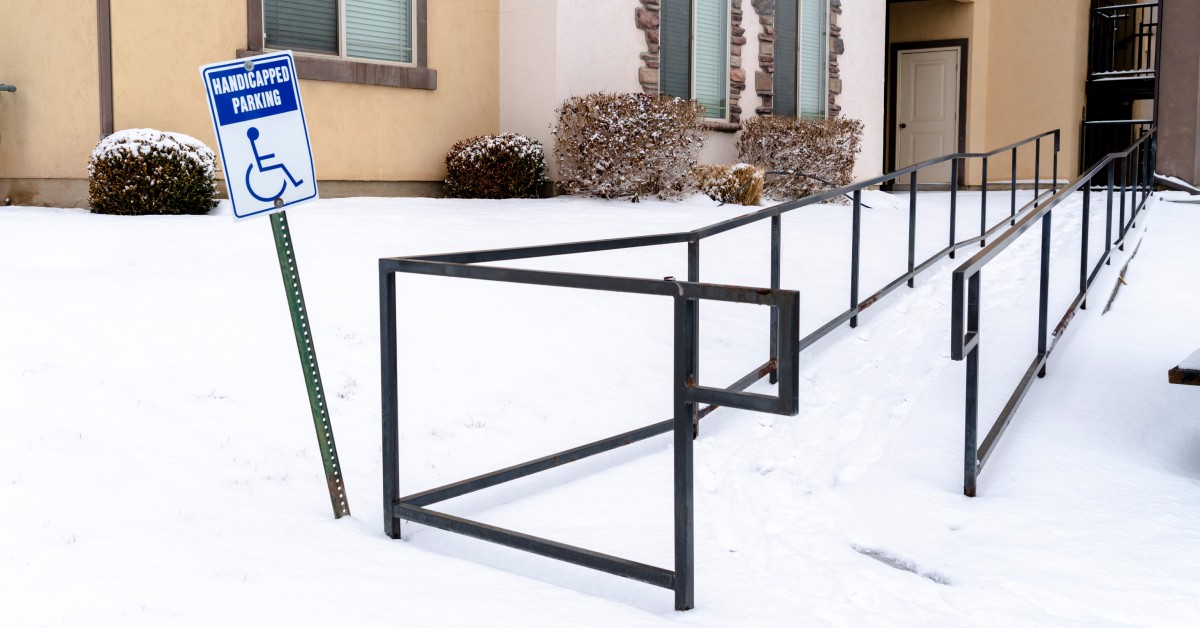
For individuals using wheelchairs, walkers, or people who struggle with stairs, a wheelchair ramp provides safer access than navigating icy steps. Ramps eliminate the fall risk associated with stairs while offering a gentler incline that’s easier to manage.
If installing a permanent ramp isn’t feasible, portable ramp rental options provide temporary solutions during winter months. You can install these ramps quickly and remove them when no longer needed. Make sure the installed ramp has a textured, slip-resistant surface and keep it clear of snow and ice.
Maintain Indoor Entry Areas
Winter hazards don’t stop at the doorway. Place absorbent mats outside and inside all entrances to catch snow, ice, and water from boots. These mats prevent slippery puddles from forming on indoor floors.
Key practices for safe entry areas include:
- Using large mats that accommodate several footsteps
- Replacing saturated mats with dry ones throughout the day
- Cleaning up water and melting snow promptly
- Providing a designated area for removing wet boots and outerwear
- Keeping a towel near the door for drying wet surfaces
Slow Down and Plan Your Route
Rushing increases fall risk dramatically. Allow extra time for winter activities so that you don’t feel pressured to hurry across icy surfaces. Walk slowly and deliberately, taking shorter steps to maintain better balance.
Plan the safest route before heading out. Choose paths that receive sunlight and melt faster, avoid shortcuts across snow-covered lawns, and stick to treated walkways when possible. If you must cross an icy area, look for textured surfaces or grass along the edges where you’ll find better traction.
Use Assistive Devices When Needed
Walking aids like canes and walkers provide additional stability on winter surfaces. If you already use an assistive device, consider adding an ice pick attachment to the tip for better traction. Walking poles or trekking poles offer support and balance for those who don’t typically use mobility aids.
Make sure assistive devices fit properly and are in good condition. Check rubber tips regularly and replace them when worn. For individuals who need assistance but feel uncertain about which device suits their needs, consult with a physical therapist or occupational therapist for personalized recommendations.
Stay Safe All Season Long
Winter doesn’t have to mean living in fear of falls. By implementing these best practices, you can maintain your independence and mobility throughout the coldest months. Focus on preparation, invest in proper equipment, and don’t hesitate to ask for help when you need it.
Taking proactive steps now protects your physical health, your confidence, and quality of life. Whether you’re clearing walkways, upgrading your footwear, or considering accessibility solutions, each action reduces your fall risk and ensures a safer winter season for you and your loved ones.
Comments