
Hudson Pharmacy & Surgical
Updated 1:17 PM CST, Thu December 18, 2025
Published Under: Hospital Beds
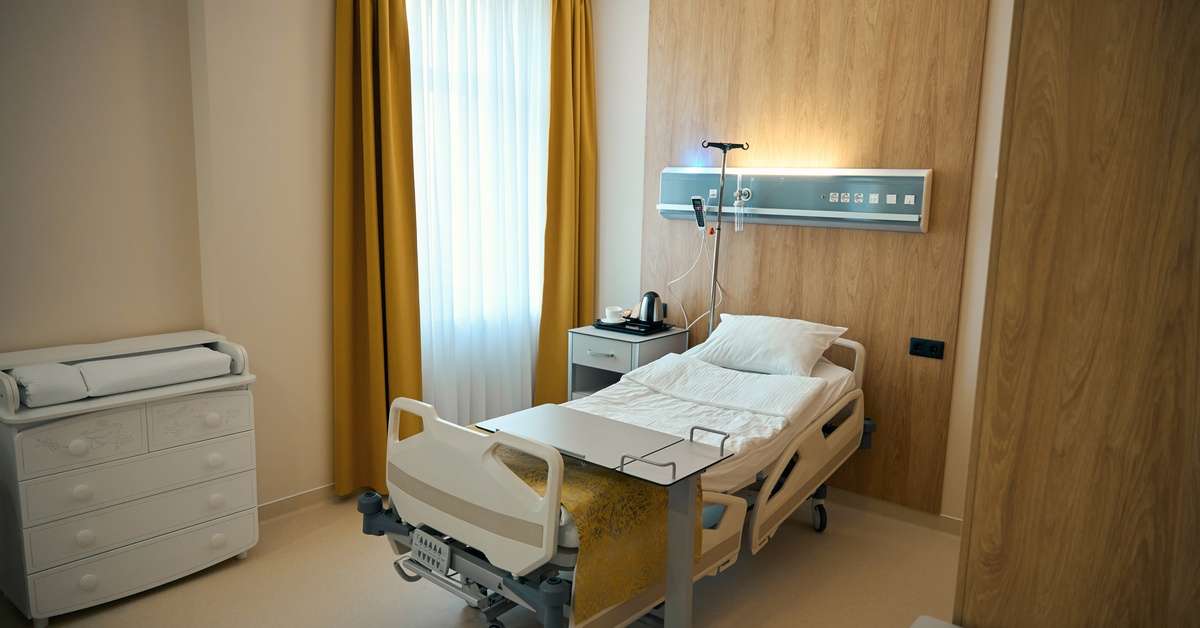
When a loved one is recovering at home or needs long-term care, their comfort and safety become the highest priority. A crucial part of ensuring their well-being is selecting the right hospital bed. This decision can feel overwhelming, but the right bed does more than just provide a place to rest. It actively supports the recovery process, enhances safety, and makes daily care easier for you and your loved one. Here’s a simple guide to help you choose a hospital bed for a rehabilitation center that you or your loved one can rest well in.
Why the Right Bed Matters for Recovery and Comfort
Before diving into the specifics, it’s important to understand the impact a hospital bed can have. Unlike a standard bed, a hospital bed is an adjustable medical device designed to meet specific health needs. The right bed can reduce pain, prevent complications like pressure sores, and make it easier for your loved one to be independent.
For caregivers, a good hospital bed simplifies tasks like repositioning, transferring, and assisting with daily activities. This reduces physical strain and helps you provide better care more safely. Choosing the right bed is an investment in your loved one’s health and your own well-being.
Assess Your Loved One’s Unique Needs
The first step is to think about the specific daily needs of the person who will use the bed. Every recovery journey is different, and the bed should match the user’s condition.
Is your loved one able to get in and out of bed on their own, or do they need assistance? How much time will they spend in bed each day? Also, consider their medical condition. Someone recovering from surgery may need different support than someone managing a chronic respiratory illness. Answering these questions will help you create a list of must-have features.
Understanding Bed Frames and Adjustability
The bed frame is the foundation of comfort and functionality. Most hospital beds for home use are fully electric, allowing you to adjust the bed’s height and position with a simple remote control. This feature is invaluable for comfort and care.
Look for key positioning features that can make a significant difference:
- Head and Foot Adjustments: Raising the head of the bed can help with breathing, eating, and watching TV. Elevating the feet can reduce swelling and improve circulation.
- Height Adjustment: The ability to raise and lower the entire bed is an important safety feature. A low height setting makes it safer to get in and out of bed, reducing the risk of a fall. Raising the bed to waist level makes it easier for a caregiver to assist without bending and straining their back.
- Cardiac Chair Position: This seated position greatly improves comfort for individuals with heart or respiratory conditions. It helps them sit upright without having to move to a separate chair.
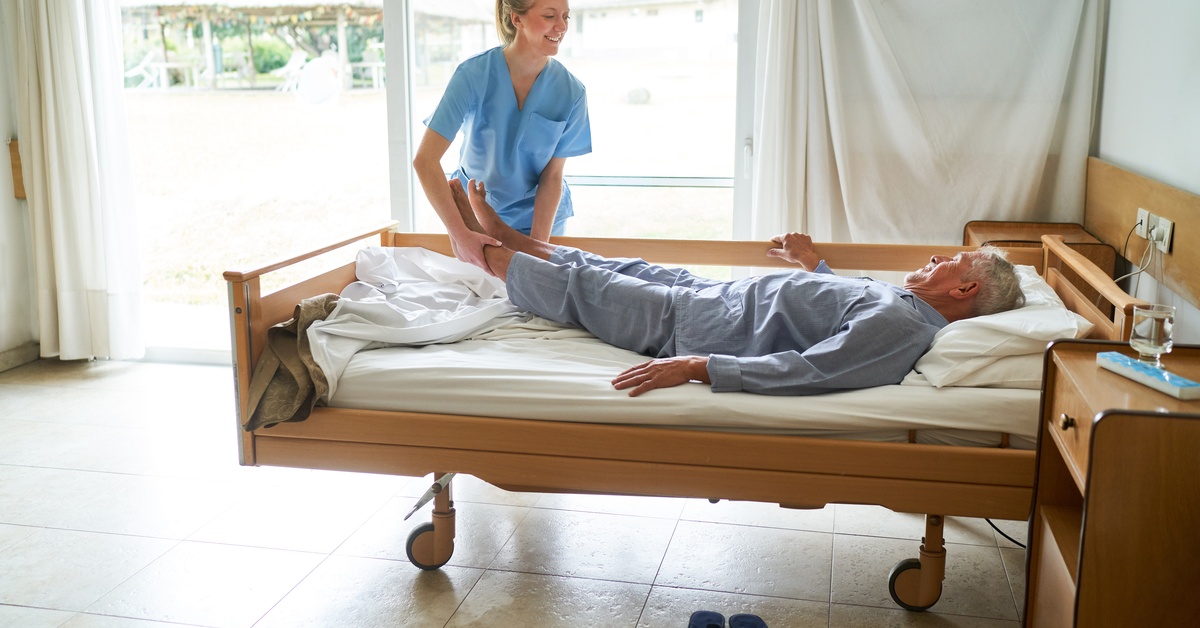
Choosing the Best Mattress for Comfort and Health
The mattress is just as important as the frame. A standard mattress is not designed for the needs of someone spending extended time in bed. In comparison, a therapeutic mattress provides comfort and prevents serious health issues like pressure ulcers (bedsores).
There are two main types to consider:
- Foam Mattresses: High-density foam mattresses are a great option for many people. They are comfortable and provide excellent pressure redistribution to protect the skin. These are often suitable for individuals who can reposition themselves or who are not at high risk for skin breakdown.
- Low Air Loss/Alternate Pressure Mattresses: These advanced mattresses use air cells that inflate and deflate to better support pressure points on the body. They are ideal for individuals who are immobile, have existing pressure sores, or are at a very high risk for developing them. These mattresses also manage heat and moisture, keeping the skin dry and healthy.
Prioritizing Safety and Fall Prevention
Peace of mind comes from knowing your loved one is safe. Modern hospital beds come with several features designed to prevent falls and other accidents.
- Side Rails: These are not just for preventing falls. Sturdy half- or full-length side rails can also serve as a support for your loved one to use when repositioning themselves or getting out of bed. Make sure they are easy to raise and lower.
- Low Height Settings: As mentioned, a bed that you can lower close to the floor significantly reduces the risk of injury if a fall does occur. This is one of the most effective fall prevention features available.
- Locking Wheels (Casters): The bed should have high-quality wheels that you can lock securely in place. This prevents the bed from moving unexpectedly during transfers or while your loved one is getting in or out.
- Bed Exit Alarms: For individuals with dementia or a high fall risk, a bed exit alarm is a lifesaver. This system alerts you when your loved one tries to get out of bed without help, allowing you to intervene quickly.
Renting vs. Buying: What’s Right for You?
A hospital bed is a significant purchase. Before you buy one, consider if renting is the better option.
- Buying: If your loved one needs a bed for long-term care (six months or more), purchasing is often the most cost-effective choice. It also allows you to choose the exact model and features you want.
- Renting: If the need for the bed is temporary rehabilitation purposes, such as recovery from a specific surgery, a medical bed rental is a practical and affordable alternative. It saves you from a large upfront cost and the hassle of what to do with the bed once it’s no longer needed. Many rental programs offer flexible terms and a variety of bed types.
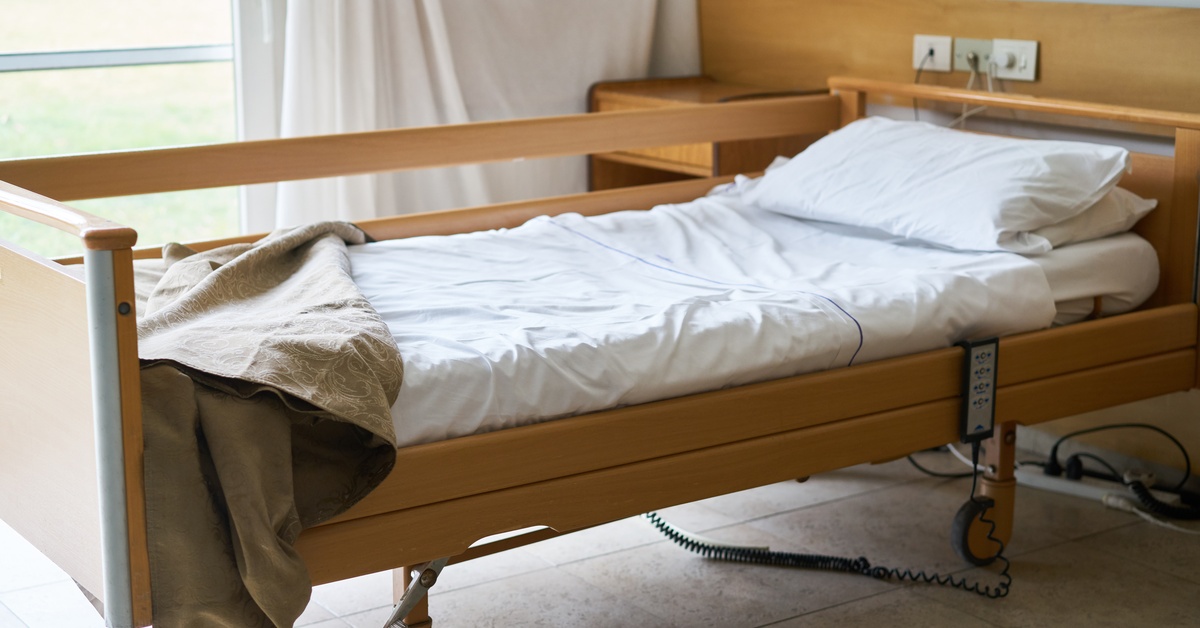
Making the Right Choice for Your Family
Choosing a hospital bed for a loved one in a rehabilitation center is a meaningful decision that will influence their daily comfort and safety. By taking the time to assess their individual needs and understand the key features available, you can select a bed that supports their healing and provides you with peace of mind.
Focus on adjustability that enhances comfort, a mattress that protects their skin, and safety features that prevent accidents. Whether you choose to buy or rent, the right bed is a powerful tool that empowers you to provide the best possible care for the person who matters most. Partner with Hudson Pharmacy and Surgical for access to the best medical equipment, including reliable rental pieces. Call 914–941–4476 to inquire about details.
Comments