
Hudson Pharmacy & Surgical
Updated 10:27 AM CST, Mon January 26, 2026
Published Under: General

When working in the healthcare and assisted living sectors, you encounter misconceptions about mobility aids daily. These misunderstandings hinder care plans, delay necessary interventions, and negatively influence patient outcomes.
As professionals, we must address these inaccuracies with factual, clear information to support the individuals relying on our expertise. We’re debunking 10 common myths about mobility aids, including how Hudson can provide services to facilities in need.
Myth 1: Mobility Aids Signify Giving Up Independence
A pervasive belief among patients and families suggests that accepting a walker, cane, or wheelchair marks the end of self-reliance. In reality, the opposite is true. Mobility aids facilitate independence by allowing individuals to navigate their environments safely and confidently. Without these tools, a patient might restrict their movement due to fear of falling or pain, leading to isolation and physical deconditioning.
By introducing appropriate aids early, you empower the user to maintain their daily routines. A properly fitted device extends the user’s ability to perform activities of daily living (ADLs) without constant assistance from caregivers.
Myth 2: Using a Wheelchair Will Make Legs Weaker
Many patients fear that using a wheelchair will cause muscle atrophy due to disuse. While prolonged immobility can lead to muscle loss, strategic wheelchair use often conserves energy for other therapeutic activities. For patients with conditions like Multiple Sclerosis or severe arthritis, fatigue management is crucial.
Using a wheelchair for long distances prevents exhaustion, allowing the patient to engage in physical therapy or short-distance walking later in the day. It’s about balancing energy expenditure, not replacing all physical activity. The goal remains active participation in life, which the device supports rather than hinders.

Myth 3: Mobility Aids Are Only for The Elderly
While age correlates with increased usage, mobility challenges affect all demographics. Pediatric patients with cerebral palsy, young adults recovering from sports injuries, and individuals with congenital conditions all require support. Assuming these devices belong solely to the geriatric population stigmatizes younger users and may delay them from seeking necessary help.
Professional assessments should focus on functional capacity rather than age. A young adult managing Ehlers-Danlos Syndrome benefits from joint protection strategies involving braces or scooters just as an older adult benefits from a rollator for balance.
Myth 4: One Size Fits All
Standardization in medical equipment does not equal universal fit. A common error in facility procurement or discharge planning involves issuing generic devices without customization. A walker set at an incorrect height forces the user to hunch, causing back pain and poor posture. A wheelchair with incorrect seat width can cause pressure ulcers.
Proper fitting is nonnegotiable. Physical and occupational therapists must assess the user’s height, weight, arm strength, and specific gait pattern. Customizations—such as ergonomic grips, specific wheel types, or specialized cushions—enhance safety and comfort, directly impacting compliance and usability.
Myth 5: You Must Be Completely Immobile To Use a Scooter
Mobility scooters often face scrutiny, with onlookers assuming the user “doesn’t really need it” if they can stand or walk short distances. This “all-or-nothing” mentality ignores the reality of ambulatory mobility aid users. Many individuals can walk but cannot sustain the effort required for grocery shopping or navigating a large medical campus.
Scooters bridge the gap between limited endurance and community participation. They allow users to reserve their physical strength for tasks that require standing, such as cooking or transferring, rather than exhausting themselves simply getting from point A to point B.
Myth 6: Canes Are Interchangeable and Simple
To the untrained eye, a cane is just a stick. To a specialist, the distinction between a single-point cane and a quad cane is significant. Patients often purchase drugstore canes without professional input, leading to misuse. A single-point cane assists with balance, while a quad cane provides weight-bearing support.
Furthermore, users frequently hold the cane on the wrong side—the weak side—instead of the strong side. Education is vital here. We must instruct staff and patients on the correct selection and usage techniques to prevent falls and make sure the device provides the intended biomechanical advantage.
Myth 7: Home Modifications Are Too Expensive and Disruptive
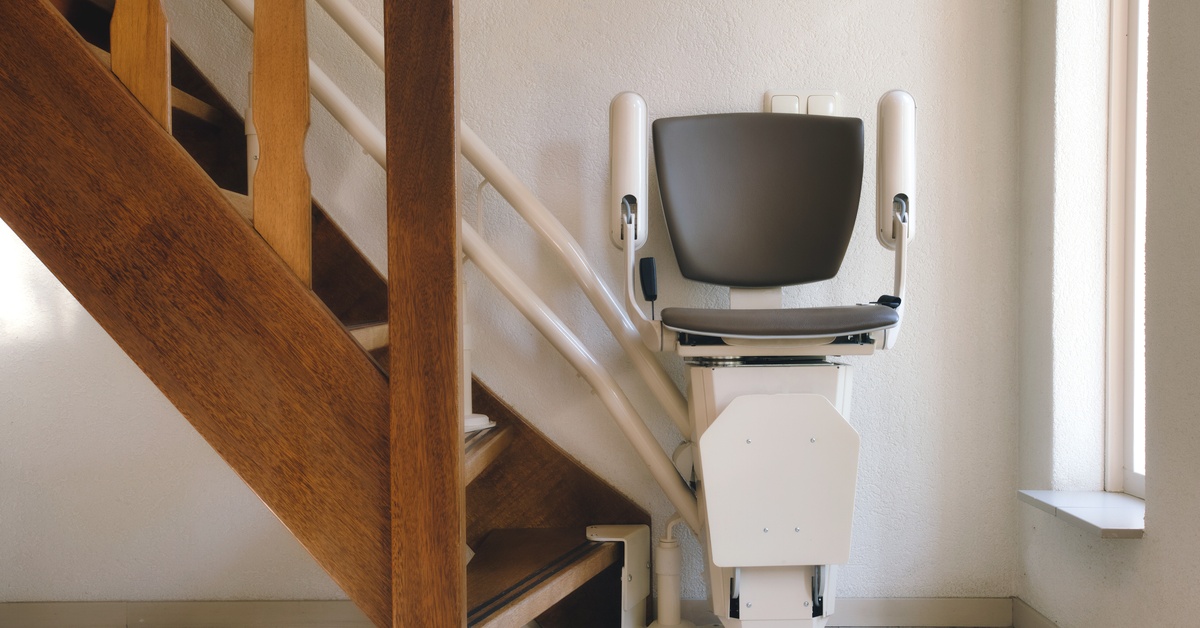
Concerns about cost and construction often deter families from installing necessary home equipment. However, not all modifications require major renovations. Modular ramps, tension-mounted grab bars, and lift chairs offer significant safety improvements with minimal structural impact.
Modern lift chairs, for example, blend seamlessly with existing furniture while providing essential assistance for sit-to-stand transfers. These solutions reduce the physical strain on caregivers and lower the risk of falls during transfers, proving to be a cost-effective alternative to premature institutionalization or hospitalization due to injury.
Myth 8: Once You Start Using an Aid, You Cannot Stop
Patients often view mobility aids as a permanent sentence. For many, these devices serve as temporary rehabilitation tools. A patient recovering from hip replacement surgery relies on a walker immediately post-op, progresses to a cane, and eventually returns to independent walking.
The trajectory depends on the diagnosis and prognosis. Framing the device as a tool for the current stage of recovery alleviates anxiety. Regular re-evaluation ensures the patient uses the least restrictive device necessary for their current functional level.
Myth 9: Mobility Aids Are Unsafe in Small Spaces
A common logistical concern involves navigating small apartments or crowded rooms. While bulkier devices pose challenges, modern engineering focuses on maneuverability and compact design. Three-wheel rollators, narrow-frame wheelchairs, and foldable walkers specifically address tight turning radiuses.
Environmental assessment plays a key role here. Removing throw rugs and rearranging furniture creates clear pathways. When we combine compact equipment with minor environmental tweaks, even small living spaces can accommodate safe mobility.
Myth 10: Insurance Covers All Mobility Equipment Needs
This assumption leads to significant frustration for families and facility administrators. Coverage varies wildly based on insurance providers, specific plans, and medical necessity documentation. Medicare, for instance, typically covers only one mobility device every five years and has strict criteria regarding “in-home” use versus community use.
Professionals must manage expectations regarding reimbursement. This involves:
- Verifying coverage prior to ordering equipment.
- Documenting the specific medical necessity clearly.
- Understanding out-of-pocket costs for upgrades or secondary devices.
Providing accurate financial information upfront builds trust and helps families plan for necessary expenses without sudden shocks.
Navigate the Truth for Better Outcomes With Hudson
Debunking these myths about mobility aids requires consistent education and a commitment to patient-centered care. By addressing these misconceptions proactively, you clear the path for better acceptance and utilization of mobility aids. Partner with Hudson Pharmacy and Surgical to learn all you need to know about our aids and chairs. We rent, sell, service, and repair a wide selection of equipment. Call today for 24/7 support 914–941–4476.
Comments