
Hudson Pharmacy & Surgical
Updated 1:40 PM CST, Fri November 13, 2026
Published Under: Stairlifts
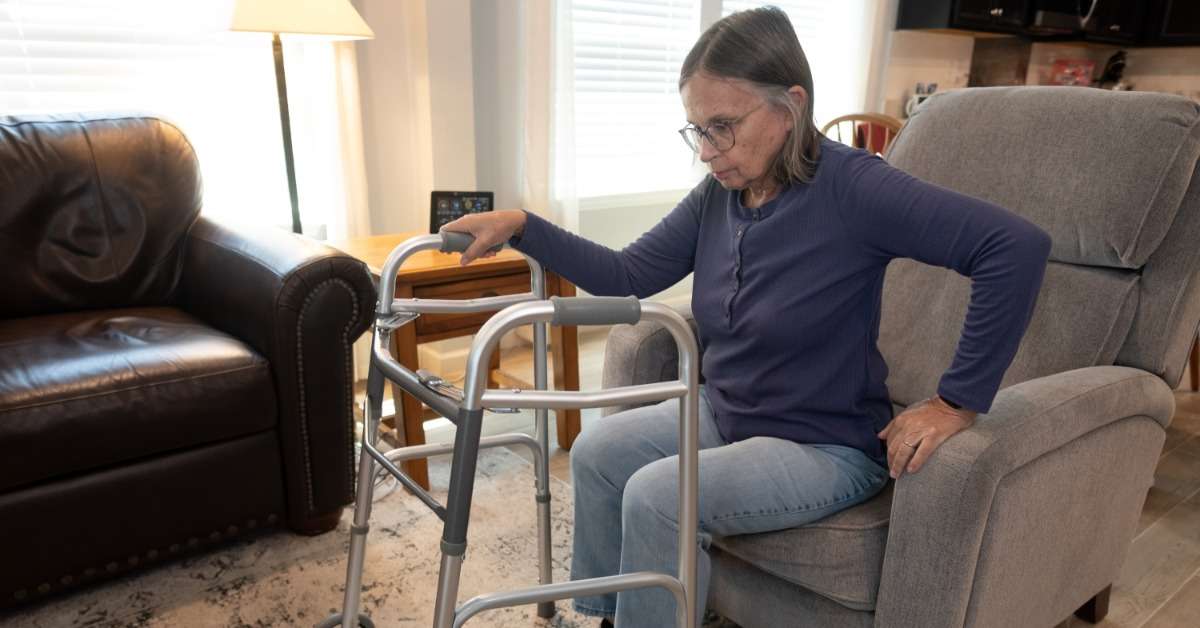
Lift chairs help people with limited mobility move between sitting and standing while providing the comfort of a traditional recliner. These chairs can support older adults, individuals recovering from surgery, and people managing conditions that make everyday movement difficult. However, many customers assume Medicare will help pay for an entire lift chair when they begin exploring their options. Understanding what Medicare actually covers can help you avoid unexpected expenses and make more informed equipment decisions.
Medicare doesn’t cover the furniture portion of a reclining lift chair, even when someone needs assistance standing. Instead, Medicare Part B may cover a qualifying seat-lift mechanism under specific medical requirements and billing conditions. This distinction matters because customers may still face substantial out-of-pocket expenses when purchasing a complete chair. Hudson Pharmacy & Surgical helps customers throughout Ossining, New York, and surrounding communities explore practical lift chair options that fit their mobility needs and budgets. We also created this complete guide to coverage to help you understand the nuances of Medicare covering lift chairs.
Does Medicare Cover the Entire Lift Chair?
Medicare classifies a reclining lift chair differently from the medical equipment that helps someone stand. The program considers the upholstered chair itself furniture, which generally makes that portion ineligible for Medicare coverage. However, the internal mechanism that raises the seat may qualify as durable medical equipment when the patient meets specific requirements. As a result, Medicare coverage for a lifting mechanism doesn’t mean the program will pay for the complete recliner.
We often see this distinction creates confusion for customers who see lift chairs advertised as Medicare-covered equipment. Although certain lifting components may qualify, the customer remains responsible for the noncovered furniture portion and any additional features. Even an eligible mechanism may involve documentation, billing restrictions, and other requirements before Medicare provides payment.
Why Medicare Separates Furniture From Medical Equipment
Medicare evaluates equipment according to its medical purpose rather than its overall convenience or comfort. A reclining chair provides seating, cushioning, and positioning features that Medicare generally considers ordinary furniture expenses. The lifting mechanism serves a different function because it assists individuals who cannot independently rise from a seated position.
This separation can affect how suppliers bill Medicare and how much customers ultimately pay. For example, a chair may include an eligible lifting mechanism alongside upholstery, reclining features, and other noncovered components. Medicare doesn’t automatically reimburse the full retail price simply because the chair contains medically necessary equipment. It’s important for customers to clarify these differences before purchasing rather than assuming a prescription guarantees financial assistance.
What Types of Seat-Lift Mechanisms May Qualify?
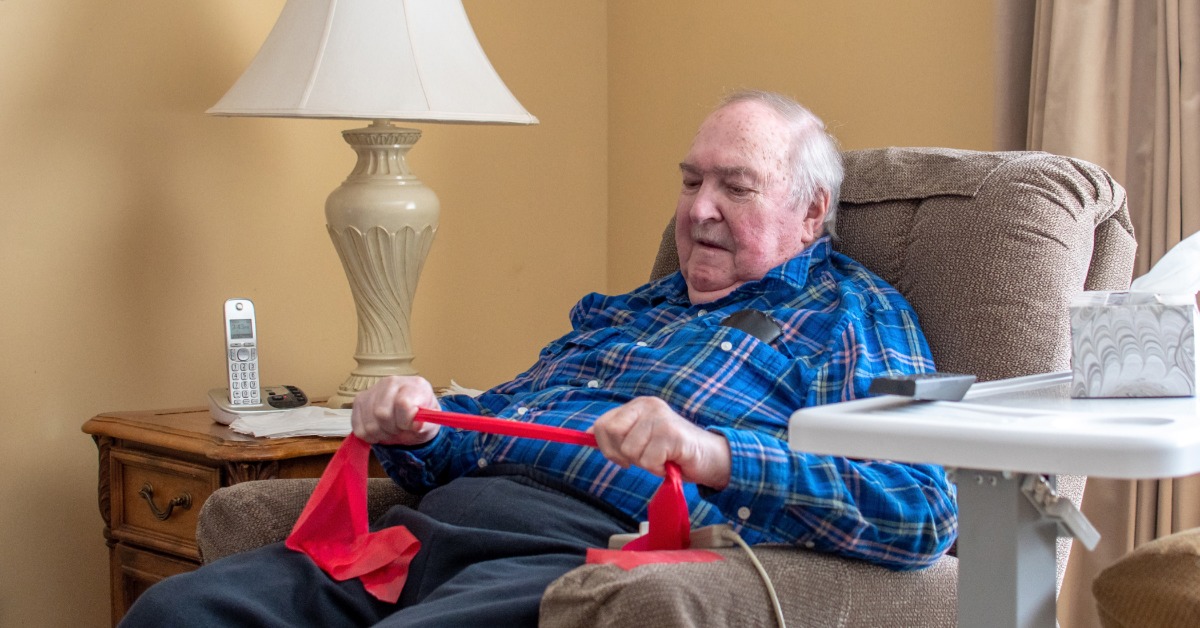
Medicare recognizes specific seat-lift mechanisms under its durable medical equipment guidelines, including qualifying electrically operated and nonelectric mechanisms. HCPCS code E0627 identifies an electric seat-lift mechanism incorporated into a chair, while E0629 identifies a nonelectric seat-lift mechanism. Some standalone seat-assist devices use mechanical, hydraulic, or pneumatic assistance to help users rise from existing furniture. However, the presence of a lifting feature alone doesn’t establish Medicare eligibility for a particular product.
Standalone seat-assist cushions differ from complete reclining lift chairs because they provide lifting assistance without requiring the purchase of an entirely new recliner. Certain devices fit compatible seating and use mechanical springs, powered components, or other lifting systems to support standing movements. Their design, operating method, and intended use can vary considerably, making individual product evaluation important.
Who Meets Medicare’s Lift Mechanism Requirements?
Medicare applies strict medical necessity criteria when determining whether a seat-lift mechanism qualifies for coverage. A qualifying patient must have severe arthritis of the hip or knee or a severe neuromuscular disease. The patient must also lack the ability to stand from a regular armchair independently while retaining the ability to walk after standing. A treating practitioner must establish that the mechanism forms part of the patient’s treatment plan.
Medicare also requires documentation showing that appropriate therapeutic approaches have failed to restore the patient’s ability to stand independently. General discomfort, occasional difficulty standing, or a preference for additional convenience doesn’t automatically satisfy these requirements. Patients should discuss their specific mobility limitations, medical history, and treatment needs with their healthcare practitioners before pursuing coverage.
How Much Will Medicare Pay Toward a Lift Chair?
Medicare generally pays 80 percent of the Medicare-approved amount for qualifying durable medical equipment after the beneficiary meets the applicable Part B deductible. However, this percentage applies to the approved medical equipment expense rather than the entire retail price of a reclining lift chair. The approved amount can vary according to applicable Medicare payment rules, making universal reimbursement estimates unreliable. Customers should therefore avoid calculating their expected benefits using the full price of the chair.
The furniture portion, optional comfort features, and other noncovered expenses can leave customers responsible for most of the purchase price. Depending on the model, size, positioning capabilities, and other features, complete lift chairs can represent a substantial personal investment. Medicare’s potential contribution toward a qualifying mechanism may not significantly reduce the overall expense. Discussing equipment prices and available purchase options with Hudson Pharmacy & Surgical can help customers plan their budgets more confidently.
Why Can Medicare Reimbursement Become Complicated?
Medicare reimbursement involves more than obtaining a prescription and selecting a lift chair. The process may require supporting medical records, a valid written order, appropriate equipment coding, and compliance with supplier billing requirements. Suppliers must also follow applicable Medicare rules when distinguishing covered lifting mechanisms from noncovered furniture expenses. These requirements can complicate reimbursement, particularly when customers expect Medicare to contribute toward a complete recliner.
Before pursuing coverage, customers should clarify several important details:
- Whether their medical condition meets Medicare’s eligibility requirements
- Which lifting mechanism, if any, may qualify for coverage
- What documentation their treating practitioner must provide
- Whether the equipment supplier can submit Medicare claims
- How deductibles and coinsurance affect expected expenses
- Which furniture and equipment costs remain their responsibility
Should You Buy or Rent a Lift Chair Instead?
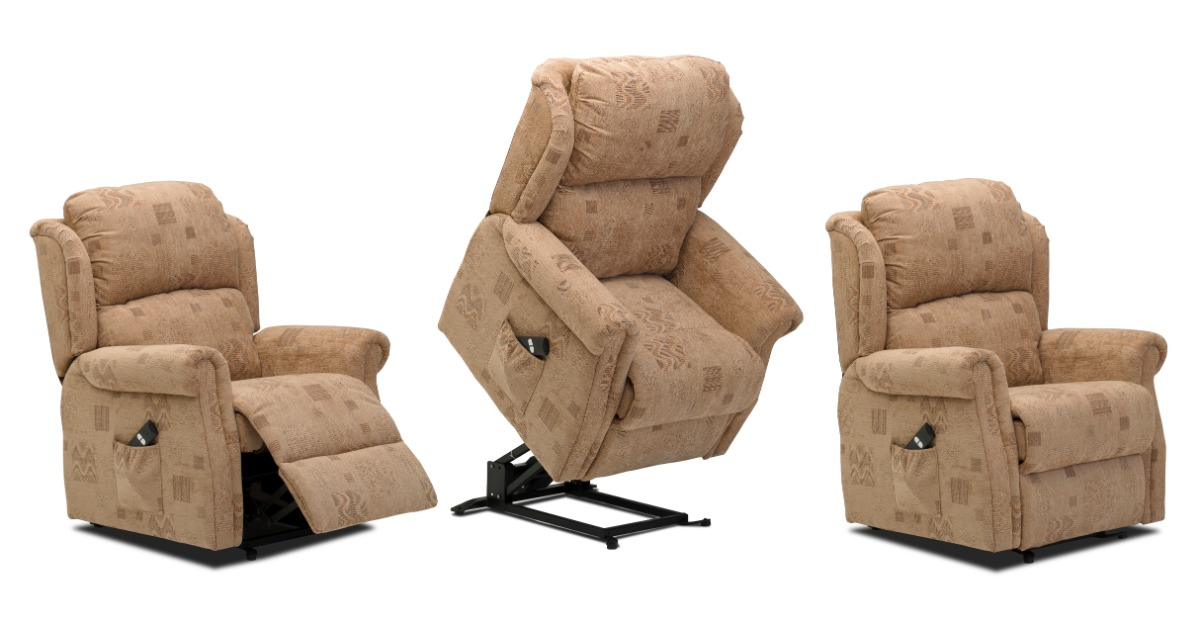
When Medicare offers limited financial assistance, purchasing or renting a lift chair may still provide valuable mobility support. People managing long-term mobility challenges often prefer purchasing equipment that accommodates their daily routines and individual comfort preferences. Meanwhile, individuals recovering from surgery may only need temporary assistance while regaining strength and mobility. Comparing both options can help customers choose equipment that aligns with their expected length of use.
A lift chair recliner rental may offer a practical alternative for short-term recovery without requiring a permanent furniture purchase. Hudson Pharmacy & Surgical offers lift chair sales and rentals alongside personalized guidance for customers with different mobility requirements. Our team helps customers consider chair dimensions, positioning capabilities, and comfort features when evaluating available models. We also provide equipment service and repair support to help customers maintain reliable mobility assistance.
Explore Lift Chair Options at Hudson Pharmacy & Surgical
Hudson Pharmacy & Surgical proudly serves Ossining, Westchester County, the Bronx, Rockland County, and surrounding New York communities. We offer lift chair solutions from Golden Technologies and Pride Mobility, with options for different body sizes, comfort preferences, and mobility needs.
Our team helps individuals, families, caregivers, and care facilities explore purchasing, rental, and equipment service options without making promises about Medicare reimbursement. Contact Hudson Pharmacy & Surgical today to discuss your mobility needs and learn more about Medicare covering a lift chair solution that supports greater comfort and independence.
Comments