
Hudson Pharmacy & Surgical
Updated 2:53 PM CDT, Thu October 29, 2026
Published Under: Assisted Living
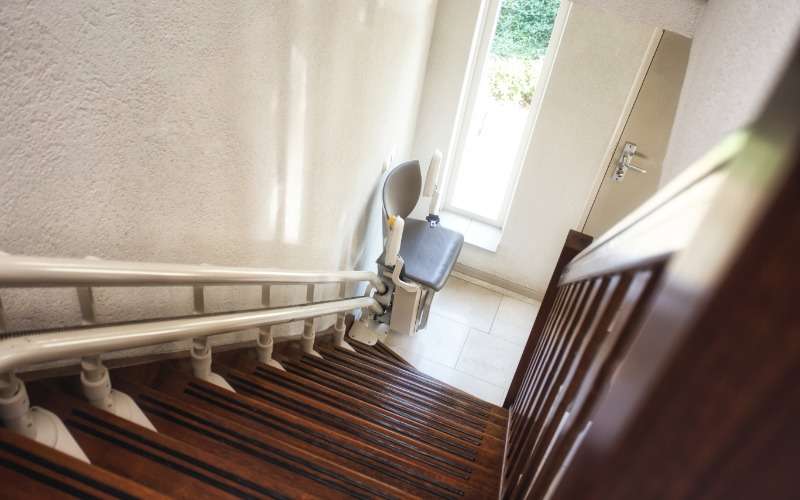
Watching a parent struggle with stairs can raise difficult questions about safety, independence, and the future of their home. A single slow climb doesn’t necessarily mean they need new mobility equipment, but repeated difficulty deserves attention. Families can look for physical changes, behavioral patterns, and changes in daily routines that make stairs harder to manage. Recognizing those signs early can help everyone discuss practical options before a stressful incident forces a rushed decision.
A staircase that your parent used comfortably for decades may become more challenging as mobility, balance, strength, or endurance changes. Even a familiar staircase requires coordination, lower-body strength, stable footing, and enough stamina to travel between floors. Your parent may compensate for small changes by moving more slowly, gripping the railing harder, or resting between sections. Such adjustments can provide useful clues that the stairs now require more effort than they once did. Does your parent need a stairlift? Hudson Pharmacy and Surgical discusses four signs to watch for.
Sign 1: Your Parent Avoids Using the Stairs
One of the clearest warning signs appears when a parent starts reorganizing daily life to avoid a staircase. They may leave items downstairs, postpone laundry, skip an upstairs room, or ask someone else to retrieve belongings. These choices can seem minor at first, especially when your parent describes them as convenient rather than necessary. Over time, consistent avoidance may indicate that stairs feel tiring, uncomfortable, or unsafe.
Pay attention when stair avoidance changes how your parent uses the home. Someone who once moved freely between floors may begin spending most of the day on one level or limiting trips to essential tasks. That change can reduce access to bedrooms, bathrooms, hobbies, storage areas, or other important spaces. A stairlift can help some people continue using more of their home without requiring the same physical effort from every trip upstairs or downstairs.
Sign 2: You Notice Balance Problems or Unsteady Movement
Balance changes deserve attention because stairs demand more stability than walking across a level surface. Your parent might sway, pause before each step, place both feet on one stair before continuing, or depend heavily on the handrail. You may also notice uncertainty when they turn at a landing or begin walking after reaching the top or bottom. These behaviors can signal that stair travel has become more demanding.
Don’t wait for a fall before taking repeated instability seriously. A near miss, sudden grab for the railing, or moment of lost footing can reveal a problem even when your parent recovers quickly. Ask how they feel during upward and downward travel because each direction can create different challenges. If balance concerns continue, families can discuss them with the appropriate healthcare professional and explore home-access options that match the parent’s needs.
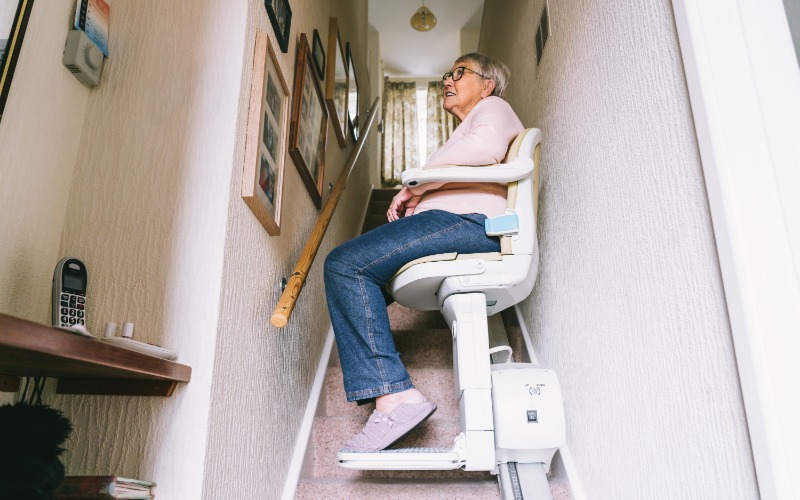
Sign 3: A Fall or Near Fall Has Changed Their Confidence
A fall can change how a person approaches stairs even after physical injuries improve. Near falls can have a similar effect because the sudden loss of balance may make each future trip feel uncertain. Your parent may stare at each step, move unusually slowly, hesitate at the first stair, or call for someone to stand nearby. These changes can show that confidence has declined even when your parent doesn’t directly say they feel afraid.
Watch for several practical signs that stair use now creates concern, including:
- They grip the railing tightly throughout the trip.
- They ask another person to follow or stand nearby.
- They pause for long periods before starting.
- They avoid carrying everyday items between floors.
- They schedule fewer trips upstairs or downstairs.
- They mention slipping, stumbling, or missing a step.
- They use furniture, walls, or nearby surfaces for extra support.
Such behaviors don’t automatically prove that a stairlift offers the right solution. They do show that the family should look more closely at how safely and comfortably the parent moves through the home. A professional assessment can consider the staircase layout along with the user’s mobility needs and everyday routine. That information helps families compare practical options instead of making a decision from one isolated incident.
Sign 4: Recovery Has Made the Stairs Temporarily Difficult
Not every stairlift need involves a permanent mobility change. A parent recovering from surgery, injury, or another temporary setback may struggle with stairs during a limited period while still needing access to multiple floors. In that situation, families may want to compare short-term mobility options with long-term equipment purchases. The expected recovery period, home layout, and guidance from the care team can all shape that decision.
Hudson Pharmacy and Surgical Supplies offers stairlift rentals as well as sales for customers who need different levels of flexibility. A rental may fit a temporary situation, while a purchase may make more sense when the household expects an ongoing accessibility need. Families should avoid assuming that one arrangement works for every parent or every staircase. Matching the equipment and service plan to the expected duration can make the decision more practical.
What To Consider Before Choosing a Stairlift
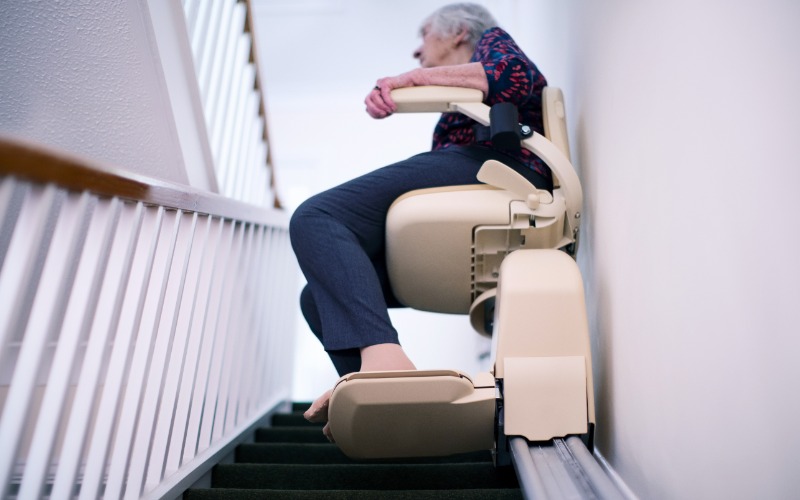
The staircase itself plays a major role in selecting appropriate equipment. Straight staircases typically require a different configuration from stairs with turns, landings, or other custom features. The user’s ability to sit, transfer, operate controls, and enter or exit safely also deserves careful consideration. Families should share relevant mobility concerns during the assessment so that the provider can explain suitable choices and features.
Service after the initial setup matters as well because mobility equipment needs dependable support. Hudson Pharmacy and Surgical Supplies provides stairlift installation and service along with repair support for customers in its service region. The company offers delivery and installation within 50 miles of Ossining, NY, which can help local families coordinate the process with an experienced provider. Choosing a provider that can support the equipment after installation gives families a clear resource when questions or service needs arise.
When It’s Time To Request a Professional Assessment
Hudson Pharmacy and Surgical Supplies provides stairlift rentals and sales in Ossining, New York, and serves customers throughout the surrounding region. The team can help families compare straight and custom solutions, discuss rental or purchase needs, and coordinate professional installation. If you’ve noticed any of these warning signs in your parent’s daily routine, contact Hudson Pharmacy and Surgical Supplies to explore stairlift options and next steps. A well-planned solution can make moving between floors easier while helping your parent continue using the home they know.
Comments