
Hudson Pharmacy & Surgical
Updated 11:13 AM CDT, Fri August 7, 2026
Published Under: Hospital Beds

When a loved one requires medical care at home, choosing the right hospital bed becomes an important decision. Many families wonder whether renting or buying makes the most sense for their situation. The answer depends on several factors, including budget, recovery timeline, and long-term care needs. Understanding the advantages of each option helps you make a confident and informed choice.
Hudson Pharmacy & Surgical has helped families throughout Ossining, Westchester County, Rockland County, and the Bronx find practical medical equipment solutions for decades. As an independently owned provider, we focus on personalized service, reliable equipment, and professional support. Whether you need a short-term solution or a permanent addition to your care environment, it’s important to weigh your options carefully. Here’s what we think you should know about hospital bed rentals vs. buying.
The Purpose of a Hospital Bed: At a Glance
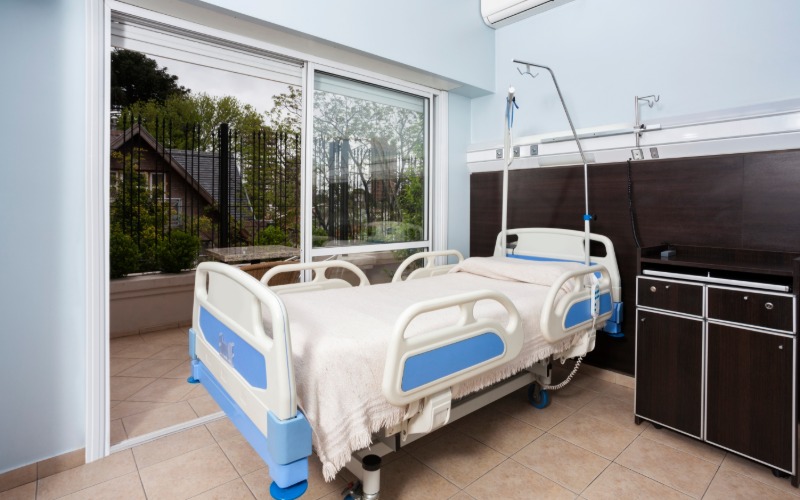
Hospital beds provide much more than a standard sleeping surface. They offer adjustable positioning that improves comfort, promotes healing, and assists caregivers with daily tasks. Many models include features that support mobility and reduce the risk of falls or pressure injuries.
Patients recovering from surgery often benefit from the flexibility that hospital beds provide. Individuals with chronic illnesses or mobility limitations also gain greater independence and safety. Selecting the right bed starts with understanding how long the equipment will be needed and what features support the patient’s condition.
When Hospital Bed Rental Makes Sense
Renting a hospital bed often works best for temporary medical situations. Many patients need specialized equipment only during recovery from surgery, illness, or injury. In these cases, purchasing a bed may create unnecessary expenses.
A rental arrangement allows families to access high-quality equipment without a significant upfront investment. Monthly rental agreements provide flexibility when recovery timelines remain uncertain. Once the patient no longer requires the bed, the equipment can simply be returned.
Rental options also eliminate concerns about long-term storage. Families avoid the challenge of finding space for large medical equipment after treatment ends. This convenience makes rentals especially attractive for short-term home care situations.
Advantages of Purchasing a Hospital Bed
Buying a hospital bed often becomes the better choice when long-term use is expected. Patients with chronic health conditions or permanent mobility limitations may require ongoing support for many years. In these situations, ownership can provide better overall value.
Purchasing allows complete control over the equipment. Owners can customize accessories, mattresses, rails, and positioning features based on evolving care needs. They also avoid recurring monthly rental fees that may accumulate over time.
Many families appreciate the peace of mind that comes with ownership. They know the equipment remains available whenever needed without concerns about rental agreements or return schedules. For extended care situations, this stability often proves beneficial.

Comparing Costs Over Time
Cost remains one of the most important considerations when evaluating rental versus purchase options. Rental agreements typically involve lower initial expenses, making them attractive for families facing unexpected medical situations. Monthly payments spread costs over time and reduce immediate financial pressure.
Purchasing requires a larger upfront investment. However, ownership often becomes more economical when the bed remains in use for an extended period. The longer the equipment serves the patient, the greater the opportunity to recover the initial expense.
Evaluating Patient Recovery Timelines
Recovery expectations play a major role in choosing between renting and buying. Patients recovering from orthopedic surgery, hospitalization, or temporary medical conditions often need equipment for only a few months. Renting provides flexibility during uncertain recovery periods.
Some medical conditions require ongoing support with no clear end date. Neurological disorders, progressive illnesses, and permanent mobility limitations often create long-term equipment needs. Purchasing frequently becomes the more practical option in these cases.
Healthcare providers can offer valuable guidance regarding anticipated recovery timelines. Their recommendations help families align equipment decisions with expected care requirements. This information supports smarter financial and caregiving choices.
Features To Consider Before Deciding
Whether you rent or purchase, selecting the right features remains critical. Different patients require different levels of support, comfort, and adjustability. Understanding what’s available ensures the bed meets patient and caregiver needs.
Important features often include:
- Adjustable head and foot positioning.
- Electric height adjustment.
- Side rails for safety.
- Pressure-relieving mattress options.
- Easy-to-use controls.
- Durable frame construction.
- Caregiver accessibility features.
The Importance of Professional Delivery and Setup
Hospital beds require proper installation to ensure safe operation. Professional delivery teams understand how to assemble equipment correctly and verify that all components function as intended. This service reduces risks and gives families confidence from day one.
Hudson Pharmacy & Surgical provides dependable delivery, setup, and support throughout the service area. Families receive instruction on proper operation and safety features. This hands-on assistance can prevent misuse and improves overall patient outcomes.
Professional setup also allows caregivers to ask questions and address concerns immediately. Clear guidance promotes safer and more effective home care. Reliable support remains valuable regardless of whether you rent or purchase equipment.
Maintenance and Service Considerations
Maintenance responsibilities differ between rental and ownership arrangements. Rental agreements often include service and support if equipment issues arise during the rental period. This benefit minimizes disruptions and reduces unexpected repair costs.
Owners assume greater responsibility for ongoing maintenance. While many hospital beds offer excellent durability, mechanical components occasionally require service or repairs. Understanding warranty coverage and available support options remains important before purchasing.
Make the Right Decision for Your Situation
No single answer fits every family when deciding between renting and buying a hospital bed. The best choice depends on medical needs, expected duration of use, financial considerations, and personal preferences. Evaluating these factors carefully can prevent unnecessary expenses and ensures appropriate patient support.
Families facing short-term recovery periods often benefit from rental flexibility. Patients requiring ongoing care may gain greater value through ownership. Consulting with experienced medical equipment professionals like us can help you sort out the best options and simplify the decision-making process.
At Hudson Pharmacy & Surgical, we understand the importance of reliable medical equipment during challenging times. Our selection of hospital bed rental and buying options helps patients receive safe, comfortable care at home. From temporary recovery needs to long-term support, we provide trusted solutions backed by decades of experience serving New York families. Our selection of quality home hospital beds allows patients to recover or receive ongoing care in a familiar environment while maintaining comfort, dignity, and safety.
Comments