
Hudson Pharmacy & Surgical
Updated 2:01 PM CST, Tue January 6, 2026
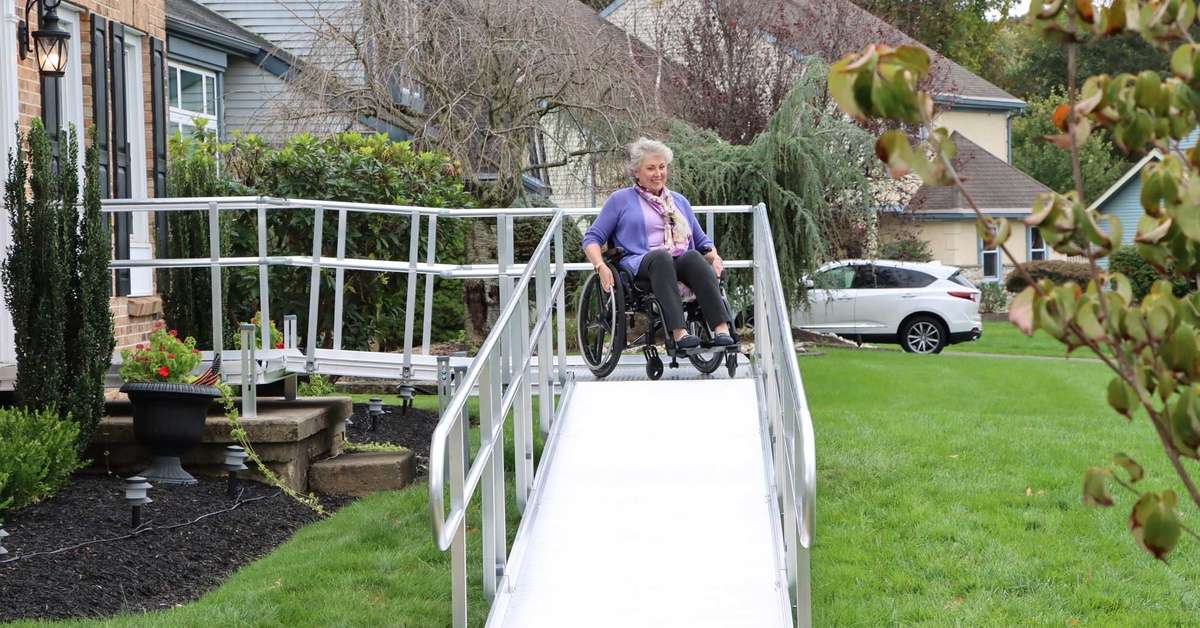
Choosing the right accessibility solution for a home or facility involves careful consideration of several factors. Platform lifts and ramps provide essential access for individuals using wheelchairs, scooters, or walkers, but they serve different needs and fit different environments. Understanding the key distinctions between these two options will help you make an informed decision that ensures safety, convenience, and compliance with accessibility standards.
Making a home or public space accessible is a significant step toward improving quality of life and independence. Whether you are adapting a residence for a loved one or upgrading a commercial building, selecting the appropriate equipment is fundamental. This decision influences the user’s daily routine and the property’s functionality and value. Let’s explore platform lifts vs. ramps and help you figure out which one you need.
Consider Space for a Ramp
A primary factor in choosing between a ramp and a lift is the amount of available space. Ramps require a significant amount of room to provide a safe, gentle slope. According to the Americans with Disabilities Act (ADA), a ramp must have a slope ratio of 1:12. This means that for every inch of vertical rise, you need one foot of ramp length.
For example, a 24 inch rise requires a 24 foot long ramp. This substantial space requirement can make ramps impractical for properties with limited yard space or steep inclines. Before committing to a ramp, carefully measure the area to make sure you can accommodate its length without obstructing walkways or property lines.
A Platform Lift Saves Space
If your property lacks the space for a long ramp, a platform lift, also known as a vertical platform lift (VPL), offers an excellent alternative. These devices transport users vertically, much like an elevator, and have a small footprint.
They are ideal for navigating taller rises, such as porches, decks, or different floor levels, without demanding extensive horizontal space. A platform lift is a discreet and efficient solution for homes and buildings in urban areas or on smaller lots where space is at a premium.
Evaluate the Vertical Rise
The height difference you need to overcome is another critical consideration. Ramps are generally suitable for shorter rises, typically up to 30 inches. For heights greater than this, a ramp becomes excessively long, costly, and difficult to navigate.
A platform lift excels in situations with higher vertical rises. Lifts can safely and comfortably carry users over heights that would make a ramp impractical, offering a more direct and less physically demanding path of travel.
Assess User Mobility and Strength
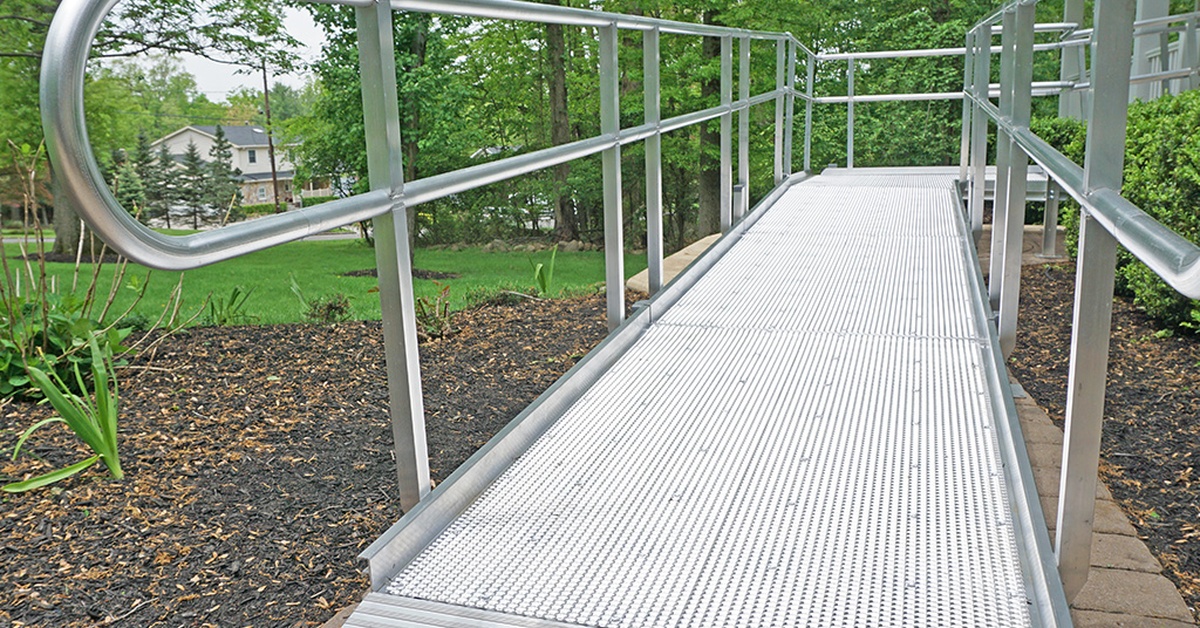
Consider the physical abilities of the person who will use the accessibility solution. Navigating a long ramp can require significant upper body strength, especially for those using a manual wheelchair. Inclement weather, such as rain, snow, or ice, can make a ramp’s surface slippery and even more challenging to use.
In contrast, a platform lift requires minimal physical effort from the user. With simple push-button controls, a lift provides an easy and dependable way to move between levels, regardless of the user’s strength or weather conditions.
Compare Installation Requirements
The installation process for ramps and platform lifts differs significantly. Ramps, especially permanent ones made of concrete or wood, can require extensive construction, including groundwork and structural supports. Modular aluminum ramps offer a quicker installation but still need proper assembly and secure anchoring.
Platform lifts typically involve a more technical installation, including electrical work and site preparation for the lift’s base. However, the installation is usually contained to a smaller area and can often be completed faster than constructing a long, permanent ramp.
Think About Maintenance Needs
All mobility equipment requires regular maintenance to ensure safe and reliable operation. Ramps, particularly those made of wood, may need periodic sealing, staining, or repairs to prevent rot and deterioration. Metal ramps are more durable but should still be inspected for loose connections or surface damage.
Platform lifts have mechanical and electrical components that require professional servicing. Routine inspections, lubrication, and battery checks are essential to keep a lift functioning correctly. Consider your willingness and ability to perform or schedule this ongoing maintenance when making your choice.
A Platform Lift Offers Weather Protection
Weather can significantly impact the usability of an accessibility solution. Ramps are exposed to the elements, and snow, ice, or wet leaves can create hazardous conditions. While you can treat or clear ramp surfaces, it requires ongoing effort.
Many platform lift models offer canopies or full enclosures, protecting users from rain, snow, and wind during operation. This feature provides a more comfortable and secure experience, ensuring reliable access in any weather.
Factor in Long-Term Flexibility
Your accessibility needs may change over time. A modular ramp system offers some flexibility, as you can reconfigure, move, or resell it if your needs evolve. Platform lifts are more permanent installations but add significant value and functionality to a property.
If you anticipate moving in the future, a modular ramp might be a more practical short-term solution. For those planning to stay in their home long-term, a platform lift is a lasting and valuable improvement. Selecting the right adaptive equipment is an investment in future independence.
%20-%20client%20image%20-%20406113.jpg)
A Platform Lift Enhances Property Value
Ramps and platform lifts enhance a property’s accessibility, but they affect aesthetics and property value differently. A well-designed platform lift integrates seamlessly with a home’s architecture and may be seen as a high-end feature, potentially increasing the property’s market appeal.
In contrast, a large ramp sometimes dominates a home’s facade and may not appeal to all potential buyers. If curb appeal and resale value are important considerations, a platform lift often presents a more streamlined and attractive solution.
Make Your Final Decision
Choosing between a platform lift and a ramp depends entirely on your unique circumstances. A ramp may be the perfect solution for a low-level rise with ample space, while a platform lift provides a superior option for taller heights, tight spaces, and all-weather convenience.
By carefully evaluating your property, the user’s needs, and your budget, you can confidently select the equipment that will provide safe, reliable, and comfortable access for years to come. For personalized advice, contact a trusted mobility equipment provider who can assess your home and help you navigate your options. Hudson Pharmacy and Surgical is a dependable partner for adaptive equipment—reach out today!
Comments